Content and brand
What does a customer need to see before buying?
Think about the last customer who got in touch. Did they want an example of similar work, a look at how the product works or a straight answer about what’s included? That tells you a lot about what to film or write first.
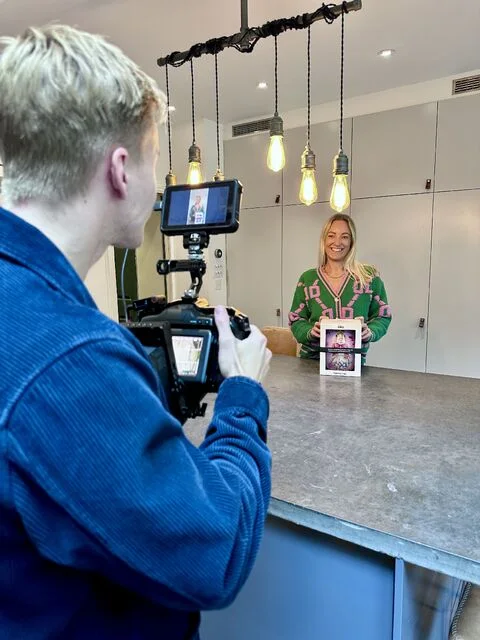
Ask a customer to tell their story. Show the product in use on film. Write down the answers your sales team gives again and again. That gives you three things to share in your next conversation.
Let the customer explain what changed
When you say you are good at something, it is a promise. When a customer describes a specific problem you solved, the audience has something to judge that promise against. A useful customer story is as much about the customer's working day as it is about your delivery.
Start the interview with the situation before you worked together. What was difficult? What had the customer tried? Ask for examples of what changed. An honest description of a simpler workflow or better support can be more useful than a general statement about being delighted.
Film the work, the product and the people using it. Let those images show what the customer is talking about. Get permission to publish and agree which statements and results can be shared. You do not need to disclose a customer's internal figures to tell a good story.
Use the main film on a relevant landing page and in sales follow-up. Create short clips in which the customer addresses one common concern. Our work with Drifti includes customer and product films alongside ongoing content and advertising.
Show how it works on film
A company film should help a potential customer decide whether your business is relevant to them. Start with a situation they recognise. Show what you offer, how it works and what to do next. Your company history and complete feature list can wait.
For a software company, that might mean showing one task from start to finish. For a physical product, show it in a real setting. For a service business, show the people, the process and a specific deliverable. Choose the example that explains the most with the least explanation.
Write the script before filming. Test it on someone unfamiliar with the business: can they explain your offer back to you? If their answer is unclear, simplify the script before investing in more production. Clear audio, readable text and captions make the film easier to use in different settings.
We have made company films for businesses including Knips and Cartesian. The Cartesian case also includes a customer film with Amazon: two films with different jobs, explaining the solution and a specific use case.
Answer the questions you keep hearing
Ask sales, support and your specialists what customers keep asking. What should someone check before buying? How do they get started? What mistakes are common? These questions are a better starting point than filling a publishing calendar with unrelated topics.
Have one person explain one thing at a time. Show a demonstration, a considered opinion or a practical example. A short clip can introduce the topic on social media, while a detailed article or guide gives you room to explain it. Put the key answer in text too, so people do not have to watch the whole film to find it.
Use the same content after purchase. A guide can be part of a welcome email sequence. Support can share an answer to a common question. Content that helps customers succeed with a product has a different job from an ad that brings in a first visit. Both belong in the plan.
Plan one production for several uses
Decide where the content will appear before filming. That affects framing, length, sound and the scenes you need. Planning for both landscape and portrait crops is easier than trying to rescue the footage in the edit.
AI can help organise interviews, draft captions and identify possible clips. A person still needs to check names, technical claims and whether an edited quote keeps its original meaning. Also agree where client material may be processed before uploading it to a tool.
- Before filming: Choose the audience, the customer question and the next action.
- During filming: Capture the main interview, demonstrations, context and still images.
- After filming: Create a main version, short extracts and copy for the priority channels.
- After publishing: Collect feedback from sales and customers to improve the next production.
Measure whether the content does its job
Views show that content is being distributed. They do not, by themselves, tell you whether someone understands the offer, trusts the business or becomes a customer. Agree what each format should contribute before publishing.
For a company film, you could follow relevant enquiries from the page where it appears. For a customer story, sales can record when they use it and which questions it helps answer. For educational content, look at usage, recurring support requests and feedback. Compare over time, and remember that a purchase is often influenced by several encounters with the brand.
Start with the biggest gap in the customer journey. If people need reassurance, begin with a customer story. If they do not understand the product, make a clear presentation. If the same questions keep blocking progress, answer them. That gives production a concrete priority and a clear purpose.
What do your customers need to see?
We help you choose the stories, plan production and put the content to work.